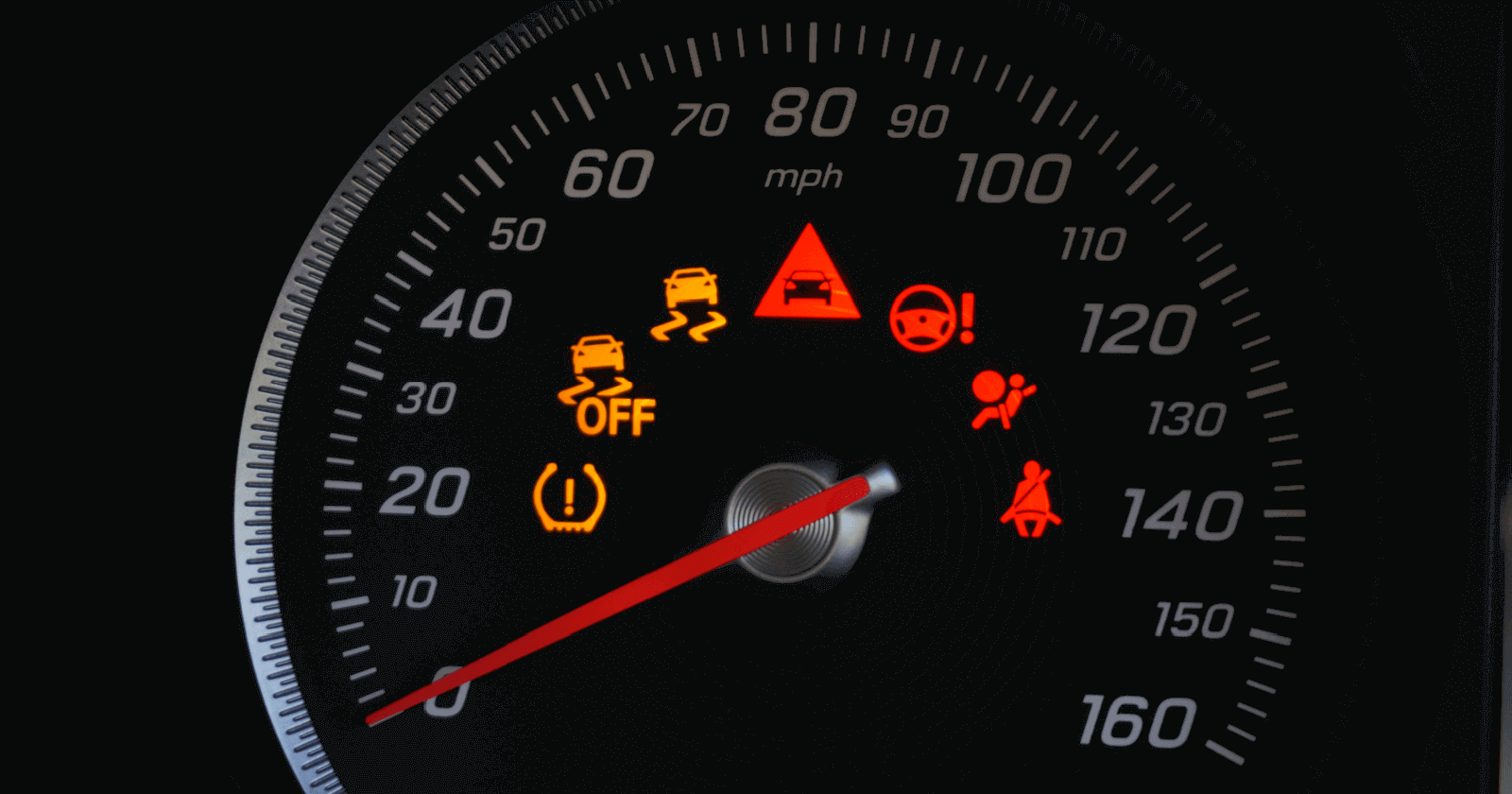
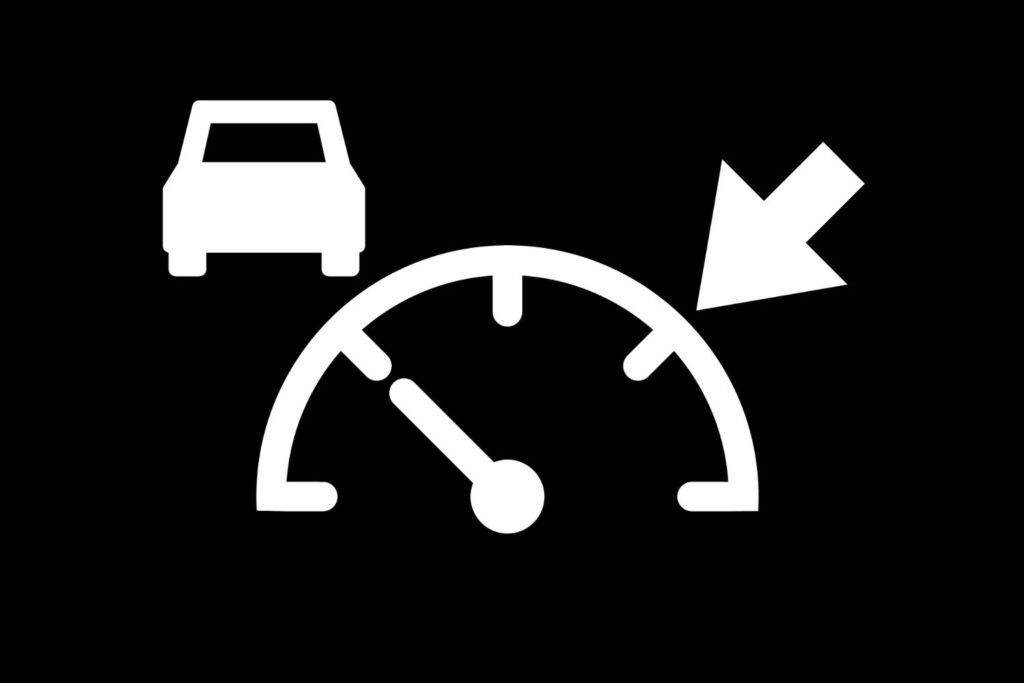
If you see an ACC warning light or a message related to cruise control on your dashboard, it means your car’s Adaptive Cruise Control system isn’t working properly.
This system is designed for comfort and safety on highways—but when it fails, you lose that intelligent speed and distance control.
Here’s the simple truth:
👉 Your car can no longer automatically maintain a safe distance from vehicles ahead.
In this SEO-optimized, India-focused guide (perfect for 18–35 drivers and enthusiasts), we’ll break down what this warning means, why it happens, and how to fix it.
What Does the ACC Warning Light Mean?
The Adaptive Cruise Control (ACC) warning light indicates a problem with your vehicle’s cruise control system.
👉 It can mean:
- System is temporarily disabled
- Sensors are not working correctly
- Unsafe driving conditions detected
Sometimes, the system may also display messages like:
- “ACC not available”
- “Brake now”
What Is Adaptive Cruise Control (ACC)?
Adaptive Cruise Control (ACC) is an advanced system that:
- Maintains a set speed
- Automatically adjusts speed
- Keeps a safe distance from the vehicle ahead
It uses:
- Radar sensors
- Cameras
- Laser or optical systems
👉 Unlike regular cruise control, ACC actively responds to traffic conditions
(Note: Content adapted from uploaded file context)
Why This Warning Matters in India
ACC is especially useful on:
- Highways
- Long-distance drives
- Expressways
But Indian conditions can affect it:
- Dense traffic
- Sudden braking situations
- Poor weather conditions
When ACC fails:
👉 You must control speed manually at all times
Common Causes of ACC Warning Light
Let’s break down the most common real-world reasons:
- Unsafe Following Distance (Most Common)
- Vehicle ahead is too close
- System detects risk
- Dirty or Blocked Sensors
- Dust, mud, or debris
- Blocks radar or camera
- Faulty ACC Sensors
- Incorrect readings
- System disables itself
- Bad Weather Conditions
- Rain, fog, or dust storms
- Reduces sensor visibility
- Electrical or System Fault
- Wiring issues
- ECU malfunction
- Minor System Errors
- Even small faults (like brake switch issues)
- Can disable ACC
All these issues can trigger the ACC warning light.
Symptoms You Might Notice
- Cruise control not engaging
- Sudden ACC deactivation
- Warning message on dashboard
- No automatic braking or speed adjustment
Can You Drive With ACC Warning Light On?
👉 Yes—completely safe.
- Car drives normally
- Only cruise control feature is disabled
👉 You just need to:
- Control speed manually
- Maintain safe distance yourself
What Should You Do When This Warning Appears?
Follow this practical checklist:
Step 1: Clean Sensors
- Wipe front grille or bumper area
Step 2: Check Weather Conditions
- Wait if visibility is poor
Step 3: Restart the Vehicle
Temporary glitches may clear.
Step 4: Maintain Safe Distance
Ensure proper spacing while driving.
Step 5: Scan for Error Codes
Use OBD scanner if available.
Step 6: Visit a Mechanic
If warning persists
Cost of Repair in India
Here’s a rough estimate:
Minor Fixes:
- Sensor cleaning: ₹200 – ₹500
Medium Repairs:
- Sensor replacement: ₹5,000 – ₹20,000
Major Repairs:
- Control module repair: ₹15,000 – ₹50,000+
How to Prevent ACC Issues
Simple habits can help:
✔ Keep Sensors Clean
Regularly clean front area.
✔ Drive Safely
Maintain proper distance.
✔ Avoid Harsh Weather Use
ACC works best in clear conditions.
✔ Regular Vehicle Checkups
Ensure system health.
Why Understanding This Matters Today
Modern cars rely on:
- Radar systems
- Cameras
- ECU decision-making
ACC is:
👉 A convenience + safety feature—not a replacement for driving
Understanding it helps you:
- Use technology correctly
- Avoid misuse
- Stay safe
From Driver to Smart Automotive Enthusiast
Most drivers:
- Over-rely on cruise control
- Get confused when it fails
But informed drivers:
- Understand system limits
- Take control when needed
- Drive smarter
That’s a big difference.
A Subtle Upgrade: Build Real Automotive Skills
If you’re curious about advanced systems like ACC, sensors, and ECU communication, this is a great starting point.
Learning skills like:
- ADAS (Advanced Driver Assistance Systems)
- Sensor diagnostics
- Automotive electronics
…can completely change your understanding.
You move from:
👉 “Cruise control not working”
to
👉 “I know how the system operates.”
Final Thoughts
The ACC warning light is not critical—but it’s important for safety and convenience.
Ignoring it can:
- Reduce driving comfort
- Increase workload on highways
- Indicate underlying sensor issues
If you’ve ever wanted to understand modern systems like adaptive cruise control, sensors, and vehicle automation, exploring structured automotive learning—especially in diagnostics and vehicle electronics—can be a valuable next step. It’s a practical way to become a more confident driver who truly understands how modern vehicles assist you.
 Watch a real battery testing demo here: Reynlab YouTube Channel
 Explore our automotive training programs: www.reynlab.com/our-courses